SEARCH ENGINE OPTIMIZATION Vs. SEM: Recognizing the Key Distinctions
SEO, which stands for Search Engine Optimization, concentrates on enhancing a site's presence and organic position on search engine results pages. On the other hand, SEM, or Look Engine Advertising and marketing, includes paid advertising to increase a web site's presence on search engines. Recognizing the crucial differences in between SEO and SEM is critical for services looking to maximize their on the internet visibility and drive web traffic to their internet sites.
Interpretation of SEO
SEO, or Seo, refers to the technique of optimizing web sites to boost their presence and rankings on search engine results pages (SERPs) It includes different strategies and methods targeted at increasing natural, or non-paid, web traffic to a website. The best goal of search engine optimization is to boost an internet site's on-line visibility and bring in even more targeted visitors.
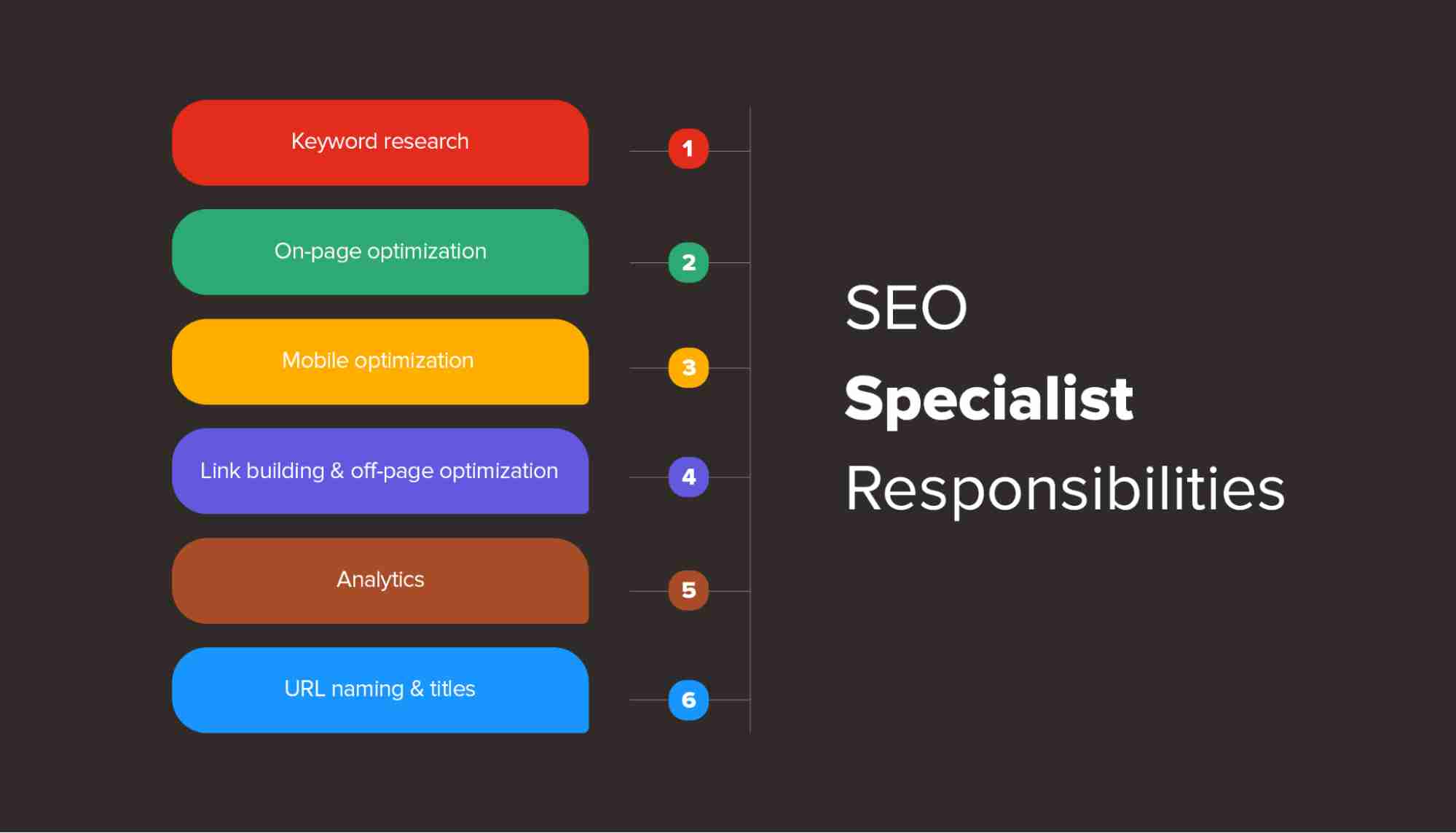
Among the vital aspects of search engine optimization is keyword optimization (https://obserworld.com/news/linkdaddy-announces-agency-backlink-local-business-directory-listings-service/458323). This involves performing detailed research to recognize pertinent search phrases that individuals are likely to look for when seeking details or items associated with a particular website. By integrating these keyword phrases tactically into the web site's material, meta tags, and Links, search engine optimization aims to enhance the site's significance and ranking for those specific search terms
An additional crucial aspect in SEO is on-page optimization. This involves maximizing different elements on a site, such as title tags, headings, images, and internal web links, to make them even more search engine-friendly (seo). By ensuring that these elements are properly structured and pertinent to the website's content, SEO helps internet search engine recognize the context and importance of the website
Furthermore, SEO additionally consists of off-page optimization techniques, such as web link structure. This involves acquiring high-grade backlinks from other reliable internet sites, which indicates to online search engine that the website is credible and reliable. By constructing a solid network of back links, search engine optimization enhances a website's reputation and increases its possibilities of rating greater in search outcomes.
Definition of SEM
SEM, or Internet Search Engine Advertising And Marketing, is an advertising approach that entails advertising sites and raising their presence with paid marketing on search engine results pages (SERPs) Unlike search engine optimization, which concentrates on maximizing sites to improve organic search positions, SEM utilizes paid advertising and marketing to drive web traffic to a web site.
Among the essential components of SEM is pay-per-click (PAY PER CLICK) advertising and marketing. With pay per click, advertisers proposal on keywords that pertain to their target audience. When an individual look for those key words, the ads appear on top or side of the search results. Advertisers only pay when a customer clicks their advertisement, therefore the term "pay-per-click."

Show advertisements are banners or visual ads that appear on websites within the Google Present Network. Remarketing ads target customers that have actually formerly checked out a web site, serving them advertisements as they search other websites.
Goals of SEO and SEM
The goals of both seo (SEARCH ENGINE OPTIMIZATION) and internet search engine advertising and marketing (SEM) focus on raising an internet site's exposure and driving targeted web traffic. The strategies and strategies utilized by each differ significantly.
The primary objective of search engine optimization is to improve a web site's natural search position on online search engine results web pages (SERPs) This is attained by optimizing various aspects on the internet site, such as web content, meta tags, and website framework, to make it more relevant and appealing to online search engine. By doing so, search engine optimization aims to draw in even more organic web traffic from users proactively looking for related keywords or topics.
On the various other hand, SEM concentrates on increasing a site's exposure with paid advertising and marketing on search engines. The main purpose of SEM is to drive targeted traffic to a web site by bidding process on keyword phrases and showing ads in search engine results. This approach enables businesses to get to a wider target market swiftly and effectively.
Secret Components of SEO
To efficiently carry out search engine optimization, it is vital to understand the crucial components that contribute to boosting a web site's organic search position. These components can be generally categorized right into off-page elements and on-page elements.
On-page elements refer to the elements that are directly present on a website and can be enhanced for much better online search engine exposure. This includes the website's material, keyword phrase use, meta tags, URL structure, web page titles, and headings. By maximizing these components, search engines can much better understand the relevance and context of the site's web content, causing greater positions.
Off-page aspects, on the various other hand, concentrate on exterior signals that affect an internet site's authority and reliability. This includes backlinks from various other trustworthy web sites, social networks signals, and online states (https://markets.financialcontent.com/townhall/news/article/marketersmedia-2023-12-3-linkdaddy-announces-agency-backlink-local-business-directory-listings-service). The more relevant and top notch backlinks a web site has, the far better its chances of ranking higher in online search engine results web pages
Additionally, individual experience is a crucial part of search engine optimization. seo optimization. Internet search engine focus on internet sites that offer a positive user experience, including fast loading times, mobile-friendliness, and easy navigation
Key Components of SEM
In comparison to search engine optimization, SEM incorporates a distinct collection of key parts that focus on paid marketing and driving immediate presence in internet search engine outcomes. These components include internet search engine advertising and marketing, likewise called pay-per-click (PPC) advertising and marketing, keyword research study, ad production, and project administration.
Internet search engine advertising and marketing is a crucial component of SEM. When those keywords are browsed, it entails bidding process on key phrases appropriate to your business and developing text or screen advertisements that will show up in search engine results. With internet search engine advertising, you can target specific demographics, locations, and even time of day to reach your wanted audience.
Keyword research study is another essential part of SEM. It entails identifying the keyword phrases that your target market is making use of to look for services or products comparable to your own. By conducting complete keyword research, you can optimize your ads and guarantee they are revealed to the right people at the correct time.
Ad creation is the process of establishing engaging and persuasive advertisements that will certainly entice users to click on them. Well-crafted advertisements have a solid call-to-action, relevant messaging, and a clear value suggestion.
Lastly, campaign monitoring involves monitoring and enhancing your SEM projects to ensure they are executing efficiently. This consists of monitoring metrics such as click-through prices, conversion prices, and roi (ROI) to make data-driven decisions and accomplish the most effective results.
Verdict
SEO concentrates on optimizing sites to improve organic search rankings, while SEM involves paid marketing to boost exposure on search engine results web pages. Recognizing the distinctions in between Search engine optimization and SEM is essential for companies to establish an extensive online advertising technique.
SEARCH ENGINE OPTIMIZATION, which stands for Look Engine Optimization, concentrates on boosting a website's visibility and organic ranking on search engine results pages. On the other hand, SEM, or Browse Engine Advertising, includes paid advertising and marketing to increase a website's visibility on search engines (seo audit).SEARCH ENGINE OPTIMIZATION, or Look Engine Optimization, refers to the practice of enhancing why not look here web sites to boost their visibility and rankings on search engine results pages (SERPs)The primary goal of Search engine optimization is to boost a website's organic search position on search engine results web pages (SERPs) Search engine optimization concentrates on maximizing internet sites to boost natural search positions, while SEM includes paid marketing to enhance visibility on search engine results pages